ButterCMS now includes enhanced localization in Blog Engine, giving teams a single place to publish multilingual blog posts and articles across regions and markets.
For most teams, global blog publishing still means duplicating posts, juggling versions, and waiting on developers to ship each update. Every workaround compounds, and at scale, that overhead becomes the bottleneck. Enhanced localization closes that gap inside the Blog Engine, so marketing can move faster across markets without rebuilding the workflow each time.
What's new in ButterCMS
Blog Engine now supports native localization, so teams can manage multilingual blog content without leaving Butter.
Here's what you can do:
-
Organize content by locale to manage every language and market version in a single system
-
Translate posts with AI assistance to speed up first drafts and cut manual effort
-
Copy and adapt existing posts across locales without rebuilding from scratch
-
Deliver localized content via API, using the same locale parameter that already powers Pages
There's no extra setup for marketers, and no rebuild for developers. If your project already uses locales, blog posts now follow the same model.
See it in action
The screenshots below show language selection in Blog Engine and how translations appear for individual posts.
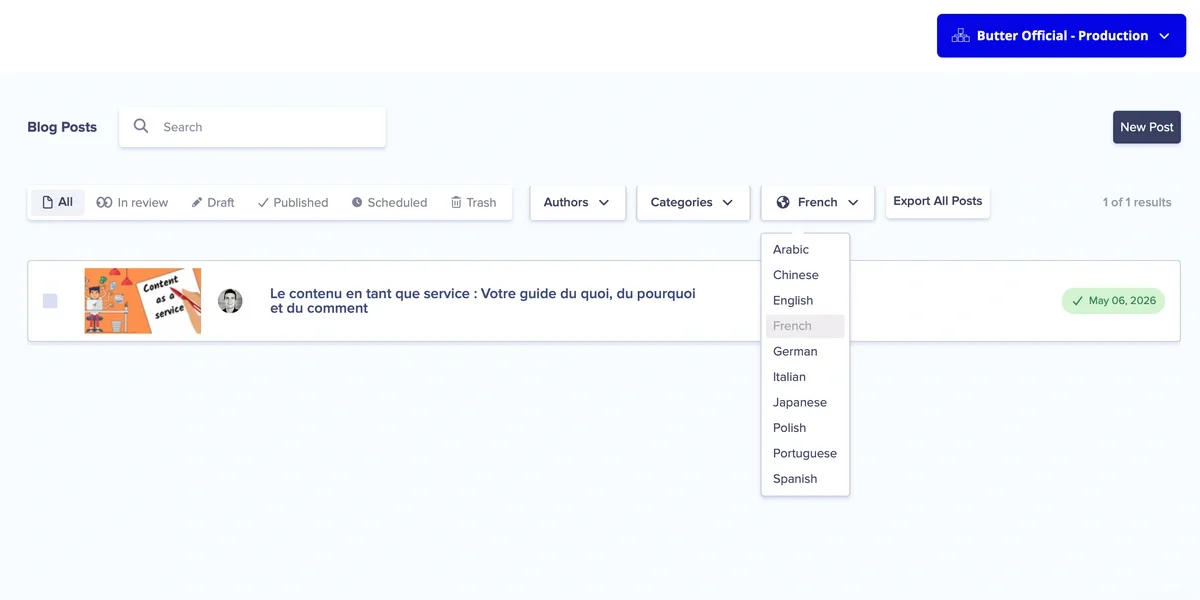
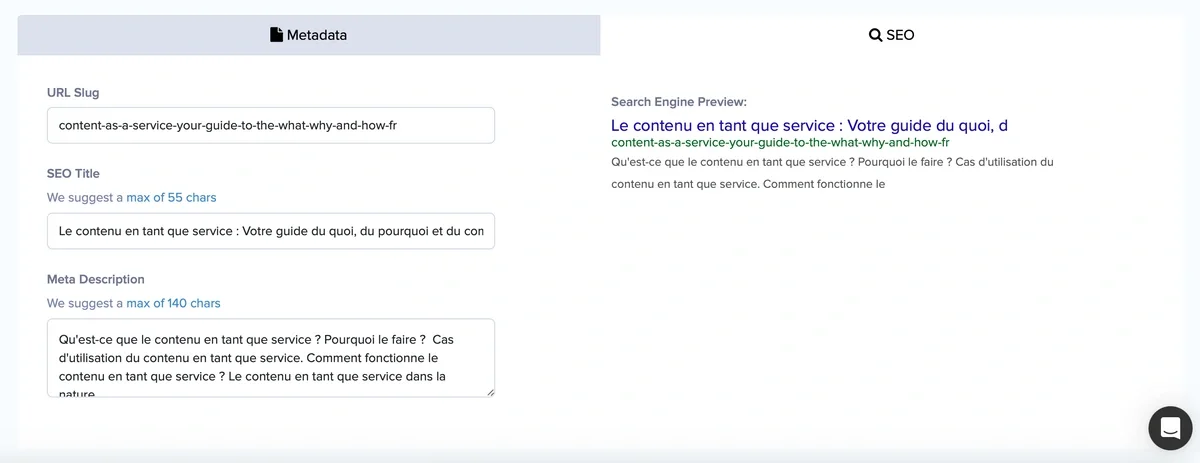
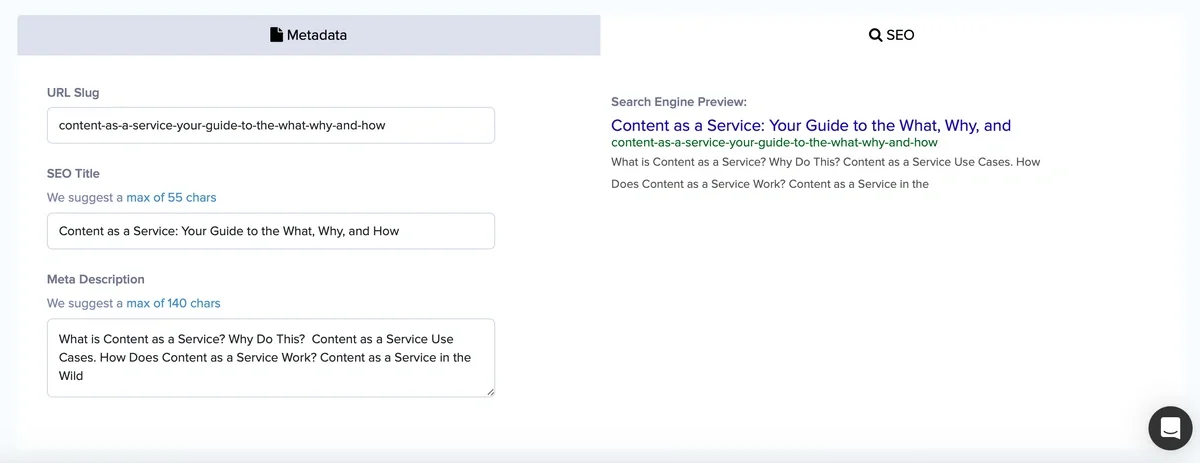
Inside Blog Engine, marketers can switch between locales from the homepage to view, edit, or create content in any enabled language. Each post displays its available translations, with options to copy from an existing version, generate a draft using AI translation, or write the new locale from scratch. Once published, content is delivered via API using a locale parameter, so the right version reaches the right audience without any frontend rework. See our knowledge base article on blog engine localization for the full breakdown.
How it helps teams work faster
Localization tends to become urgent the moment a team tries to scale. You feel it when:
-
A campaign launch in a new region waits on developer availability
-
The same blog post lives in three places, and the English version gets updated
-
SEO performance lags because translations are stale or duplicated
-
Content volume outgrows whatever spreadsheet or workaround has been keeping things organized
The new localization tools help teams:
-
Centralize content in one system instead of maintaining duplicate versions for each market
-
Reduce dev dependency by putting translation and publishing in marketers' hands
-
Ship campaigns sooner with fewer handoffs between regions and teams
-
Scale operations as the business expands into new markets
The result is smoother collaboration, faster campaigns, and a content system that grows with the team.
Who benefits
For marketers and content teams
If your team is launching in new markets this quarter, this is the change that makes it possible without a developer ticket for every translation. Manage content in Butter, generate first-draft translations on demand, and ship in parallel rather than in sequence.
For developers
If you're already using locales for Pages, blog content now works in a similar way. Pull localized posts through a single API call with a locale parameter, no new integration pattern to learn or maintain.
For business and content leaders
If global expansion is on the roadmap, content infrastructure shouldn't be the thing that gates it. The Blog Engine now scales with the business rather than getting rebuilt every time a new region opens up.
Conclusion
For businesses expanding globally, enhanced localization makes sure blog publishing is no longer a friction point. The new localization feature is available to ButterCMS customers with localization enabled. Want to see it in action? Log in to explore your account, or request a demo to walk through it with our team.